Wisdom Teeth Removal Richmond Hill patients ask about may be recommended when third molars are impacted, painful, infected, decayed, hard to clean, damaging nearby teeth, or causing repeated gum swelling. Wisdom teeth do not always need removal, but they should be evaluated if symptoms or risk factors appear. In Richmond Hill, a dentist may use an exam and X-rays to check tooth position, eruption, gum health, decay, infection signs, and whether removal or monitoring is appropriate.
Wisdom teeth can stay quiet for years and then begin causing trouble. Some patients in Richmond Hill notice pressure behind the back molars, swollen gums, a bad taste, or pain that comes and goes. Others learn during a routine exam that their wisdom teeth are impacted or difficult to clean.
Patients searching for Wisdom Teeth Removal Richmond Hill often want to know whether removal is truly needed. The answer depends on the tooth position, symptoms, oral hygiene, decay risk, gum health, and the effect on nearby teeth. Wisdom teeth do not always need to be removed, but they should be checked when symptoms or risk factors appear.
What Wisdom Teeth Are
Wisdom teeth are the third molar at the very back of the mouth. They usually develop in their late teen years or early adulthood, though timing can vary. Some people have all four wisdom teeth, while others have fewer or none.
A wisdom tooth may fully come in, partly come in, stay trapped under the gums, or grow at an angle. Its position can affect whether it causes problems.
A tooth that erupts normally and can be cleaned well may only need monitoring. A tooth that is impacted, infected, decayed, or affected by nearby teeth may need treatment.
Why Wisdom Teeth Can Cause Problems
Wisdom teeth often cause concerns because there may not be enough room at the back of the mouth. When space is limited, a wisdom tooth may become impacted or partially erupted.
A partially erupted tooth can create a flap of gum tissue that traps food and bacteria. This can lead to swelling, tenderness, bad taste, or infection around the tooth.
Impacted wisdom teeth can also press against nearby molars or create hard-to-clean areas. The risk depends on the tooth position, gum health, and how easily the area can be maintained.
Symptoms That Should Be Checked
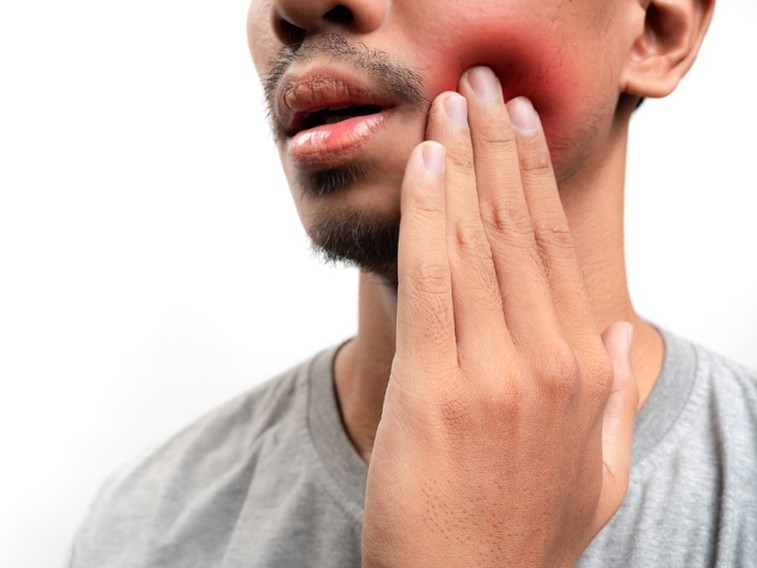
Wisdom tooth symptoms can include pain behind the back molars, swollen gums, jaw tenderness, bad breath, bad taste, difficulty opening the mouth, or discomfort when chewing.
Some patients notice symptoms only on one side. Others have pressure that comes and goes. A wisdom tooth problem may also feel like jaw pain or ear-area discomfort.
Swelling, fever, pus, spreading pain, or trouble swallowing should be treated as urgent. These may suggest infection that needs prompt dental care.
How Cavities Can Affect Wisdom Teeth
Wisdom teeth can be difficult to clean because they sit far back in the mouth. Food and plaque may collect around them, especially if they partly erupt.
Dental Fillings Richmond Hill, CA patients receive may repair some cavities, but wisdom teeth are not always easy to restore. If decay is deep, difficult to access, or affecting nearby teeth, removal may be discussed.
A dental exam helps determine whether a wisdom tooth can be treated, monitored, or removed. The condition of the second molar, beside it, also matters.
How Wisdom Teeth Can Affect Nearby Molars
An angled or impacted wisdom tooth may place pressure on the molar beside it. It may also create a tight space where plaque and food are collected.
This can increase the risk of decay, gum inflammation, or damage near the back molar. If the nearby tooth has a large filling or crown, keeping the area clean may be even more important.
A Dental Crown Richmond Hill, CA patient has on a back molar may need careful monitoring if a wisdom tooth is pushing or trapping plaque near that area.
Why X-Rays Help with Planning
Wisdom teeth are not always visible in the mouth. X-rays may show whether the tooth is impacted, angled, close to nearby roots, or positioned near important structures.
Imaging helps the dentist decide whether monitoring or removal may be appropriate. It also helps explain the level of complexity if removal is recommended.
At Don Head Dental Care, wisdom tooth evaluation may include reviewing symptoms, gum health, tooth position, and X-rays, so patients understand why removal or monitoring may be advised.
When Removal May Be Recommended
Wisdom tooth removal may be recommended when the tooth is causing symptoms or creating risk that cannot be managed with cleaning or monitoring.
Removal may be discussed for:
- Repeated gum swelling
- Wisdom tooth infection
- Pain behind the back molars
- Decay on the wisdom tooth
- Damage risk to nearby teeth
- Impaction or poor eruption angle
- Difficulty cleaning the area
- These reasons depend on diagnosis, tooth position, oral health, and the patient’s overall situation. Removal is not automatic for every wisdom tooth.
What to Expect During a Wisdom Tooth Evaluation
The appointment usually begins with questions about symptoms. Your dentist may ask when pain starts, whether swelling is present, and whether chewing or opening the mouth feels difficult.
The exam may include checking the gums behind the molars, looking for swelling or infection signs, and reviewing X-rays. The dentist may explain whether removal, monitoring, or referral is appropriate.
If removal is planned, patients should receive instructions about preparation, anesthesia options if applicable, aftercare, diet, cleaning, and signs that should be reported.
Healing and Aftercare Basics
After wisdom tooth removal, patients usually need time for the area to heal. Instructions may include resting, avoiding straws, choosing soft foods, and keeping the mouth clean as directed.
Mild swelling or tenderness can happen after removal. Patients should follow aftercare instructions closely and report severe pain, worsening swelling, fever, heavy bleeding, or a bad taste that does not improve.
Healing varies by patient. Tooth position, number of teeth removed, overall health, and aftercare all affect recovery.
Local Patient Review
“I had pain behind my back molar and did not know if it was my wisdom tooth. The visit helped explain what the X-ray showed and what options made sense.”
A Clearer Way to Handle Wisdom Tooth Concerns
Wisdom teeth should be managed based on symptoms, X-rays, and long-term risk. For patients in Richmond Hill dealing with back molar pain, swelling, decay concerns, or questions about third molars, Don Head Dental Care can help explain whether monitoring or removal may be appropriate after evaluation.
Frequently Asked Questions
When is Wisdom Teeth Removal Richmond Hill recommended?
Removal may be recommended when wisdom teeth are impacted, infected, painful, decayed, hard to clean, or affecting nearby teeth. A dental exam and X-rays help guide the decision.
Do all wisdom teeth need to be removed?
No, some wisdom teeth can be monitored if they are healthy, fully erupted, cleanable, and not harming nearby teeth. Your dentist can explain your risks.
What are the signs of wisdom tooth infection?
Signs may include swelling, pain, bad taste, pus, fever, tender gums, or trouble opening the mouth. These symptoms should be checked promptly.
Can wisdom teeth get cavities?
Yes, wisdom teeth can develop cavities, especially when they are hard to clean. In some cases, removal may be more suitable than a filling.
Can wisdom teeth damage nearby teeth?
In some cases, impacted or angled wisdom teeth may press against nearby molars or create hard-to-clean areas that raise decay risk.
How are wisdom teeth evaluated?
The dentist checks symptoms, gums, tooth position, and X-rays. Imaging helps show whether the tooth is impacted or affecting nearby structures.
How long does healing take after removal?
Healing time varies depending on the patient’s tooth position. Your dentist will explain what to expect and how to care for the area after removal.
What should I avoid after wisdom tooth removal?
You may be advised to avoid straws, hard foods, smoking, and vigorous rinsing for a period. Follow your dentist’s aftercare instructions.