
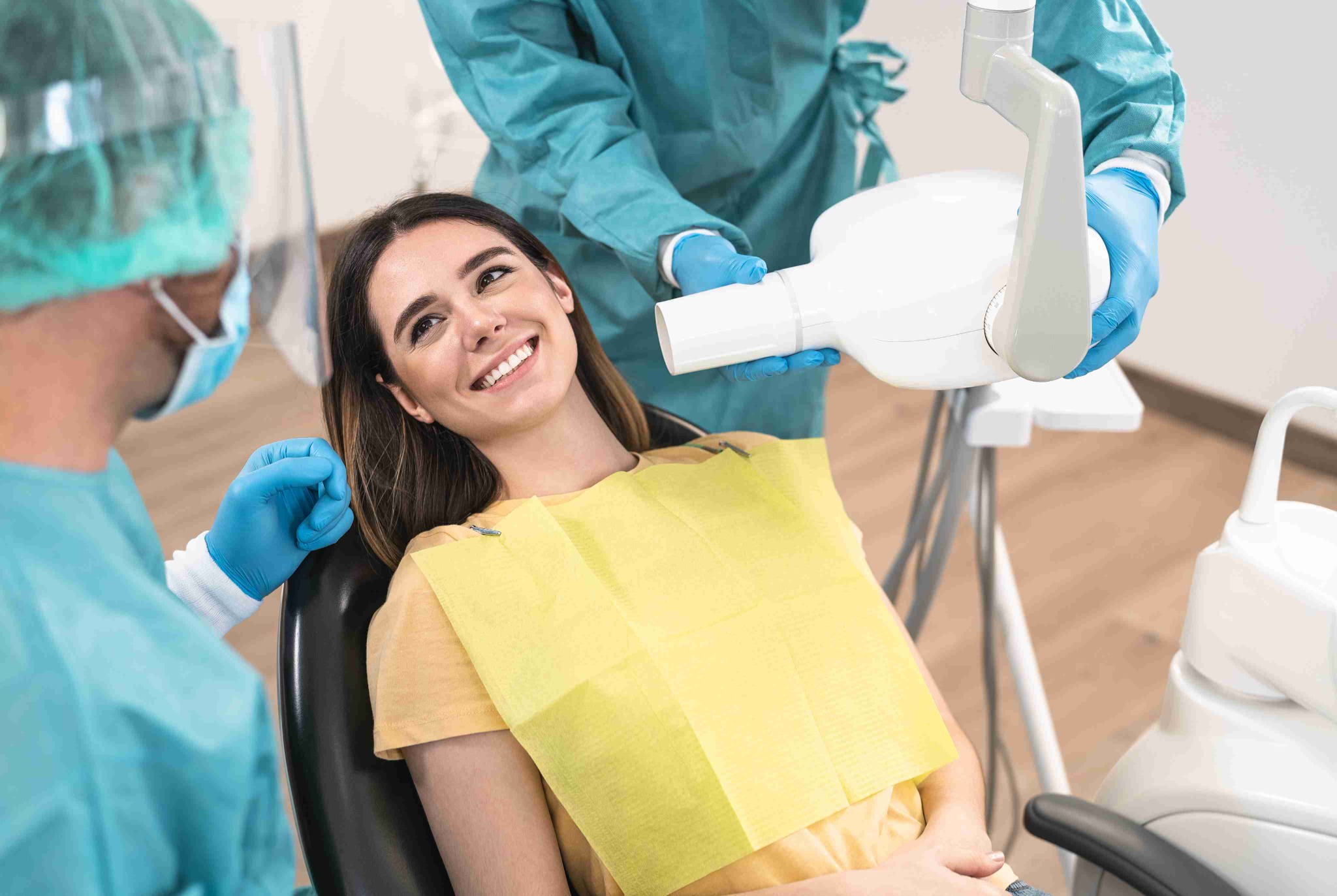
Dental implants in Vaughan, ON may be an option for patients who want to replace missing teeth with stable, planned restorative care. An implant can support a crown, bridge, or denture depending on the number of teeth missing and the patient’s oral health. Vaughan patients should compare implants with bridges, dentures, and other tooth replacement options after an exam that checks gum health, bone support, bite pressure, and nearby teeth.
Choosing how to replace a missing tooth can feel harder than expected. One patient may want the most stable option for chewing. Another may want to avoid involving nearby teeth. Someone else may be comparing a bridge, denture, and implant but does not know which one fits their mouth.
For patients in Vaughan, ON, tooth loss can affect more than a smile. A space can change chewing patterns, allow nearby teeth to shift, and place extra pressure on other areas. This is why dental implants of Vaughan, ON treatment, are often discussed as part of a larger restorative plan.
A dental implant may be suitable for some patients, but it is not an automatic answer for everyone. A complete exam helps show whether the gums, bone, bite, and surrounding teeth can support implant dentistry or whether another option may be better.
Why Tooth Replacement Should Be Planned Around the Whole Mouth
A missing tooth creates changes beyond the open space. Nearby teeth may lean or drift. The tooth above or below may move toward the gap. Chewing may become uneven, especially if the missing tooth is a molar.
A replacement plan should consider how the teeth work together. If one area carries too much pressure, future restorations may be stressed. If gum disease is present, the supporting tissue may need care before any long-term replacement is chosen.
Patients comparing tooth replacement options in Vaughan should understand that the best choice is not based only on appearance. The dentist may review bone support, gum health, tooth position, bite force, and daily cleaning habits. This helps match the treatment to the person’s actual oral condition.
What Dental Implants Vaughan ON Patients Should Know
Dental implants Vaughan, ON care usually begins with a careful consultation. The dentist may check whether there is enough jawbone to support the implant and whether the gum tissue is healthy enough for healing. The position of the missing tooth and the bite also affect planning.
A dental implant is placed in the jawbone to act as a replacement root. After healing, it may support a crown, bridge, or denture. For one missing tooth, a single implant crown may be discussed. For several missing teeth, implant-supported restorations may be considered depending on the case.
Patients looking for dental implants near Vaughan should expect the conversation to include more than placement. A good plan should explain healing time, restoration choices, cleaning needs, and how the implant will fit with surrounding teeth.
Dental Implants Compared with Bridges
A bridge replaces a missing tooth by using neighboring teeth for support. This can be useful when those nearby teeth already need crowns or when an implant is not suitable. A bridge is fixed in place and can restore the visible tooth and chewing surface.
An implant-supported crown does not usually require reshaping neighboring teeth for support. This can be a reason some patients ask about dental implants in Vaughan, ON when replacing one missing tooth. Still, implants require enough bone and healthy gum.
The choice between an implant and a bridge depends on several factors. If nearby teeth are healthy, an implant may help preserve them. If nearby teeth are damaged or already crowned, a bridge may be practical. A dentist can explain which option makes sense after evaluating the teeth and bite.
Dental Implants Compared with Dentures
Dentures can replace multiple missing teeth or a full arch of teeth. A partial denture replaces some missing teeth and is removable. A full denture replaces all teeth in an upper or lower arch. Dentures may be a suitable option for many patients, especially when several teeth are missing.
Implant-supported options may offer more stability in selected cases. Some patients want less movement while chewing or speaking. Others may have difficulty with a removable appliance. However, implant dentistry still depends on bone support, health, and treatment planning.
Vaughan patients comparing dentures and dental implants Vaughan, ON care should discuss comfort, function, cleaning, maintenance, and long-term expectations. The right choice may be different for a single missing tooth than it is for several missing teeth.
Who May Be Ready for Implant Dentistry
Implant dentistry requires healthy support from the mouth and body. The dentist may consider gum health, bone level, medical conditions, medications, smoking, oral hygiene, and healing response. Some patients may need preliminary care before implant planning can move forward.
If gum disease is active, it may need treatment first. If bone support is limited, the dentist may explain whether more evaluation is needed. If a patient grinds or clenches, the bite may need extra consideration because strong forces can affect restorations.
A consultation for dental implants in Vaughan, ON should help patients understand readiness. Some may be suitable candidates. Others may need another step first. Some may be better served by a bridge, denture, or different restorative care plan.
Benefits Patients Often Compare During Tooth Replacement
Each tooth replacement option has different strengths. Patients often want to understand how choices may affect daily life. The benefits of implant-supported restorations may include stability and support, while bridges and dentures may offer other practical advantages.
Patients may compare:
- Chewing comfort
- Stability during meals
- How nearby teeth are affected
- Cleaning and maintenance
- Treatment timing
- Long-term oral health support
- Whether the restoration is fixed or removable
A clear comparison can help patients make informed decisions. Missing teeth treatment should be explained in a way that connects to real routines, such as eating, speaking, brushing, and future dental visits.
What Usually Happens During a Tooth Replacement Consultation
The first appointment often begins with a discussion about the missing tooth or teeth. Your dentist may ask how long the space has been there, whether chewing has changed, and whether a denture or other replacement has been used before.
During the exam, the dentist may check gums, bone support, bite position, nearby teeth, and existing restorations. X-rays or images may be recommended to see the jawbone and tooth roots. If dental implants in Vaughan, ON treatment may be suitable, the dentist can explain the general steps, including planning, placement, healing, and restoration.
If another option is more suitable, that should be explained as well. Some patients may compare an implant with a bridge. Others may review partial dentures or implant-supported dentures. The goal is to understand the mouth before choosing treatment.
Maintaining Dental Implants and Other Restorations
Tooth replacement does not end when the restoration is placed. Implants, bridges, and dentures all need care. The cleaning method depends on the type of replacement, where it sits, and how it connects to the gums or nearby teeth.
Implants need daily cleaning around the gumline. Bridges require cleaning under the replacement tooth. Dentures need regular removal and cleaning. Routine dental visits help monitor the gums, bites, restorations, and any remaining natural teeth.
For Vaughan patients, maintenance is part of successful restorative care. A replacement tooth should be checked over time, so small concerns can be addressed before they become bigger problems.
Local Patient Review
“I was unsure whether an implant or bridge made more sense for my missing tooth. The visit helped me compare the options and understand what needed to be checked first.”
A Practical Way to Compare Replacement Choices
Missing teeth can affect chewing, spacing, and bite balance, so replacement care should be planned with the whole mouth in mind. Vaughan patients can compare implants, bridges, and dentures through an exam that reviews gum health, bone support, and daily function. With Don Head Dental Care, the focus can stay on clear choices, realistic expectations, and care that support long-term oral health.
Frequently Asked Questions
Are dental implants good for replacing one tooth?
Dental implants may be suitable for one missing tooth if there is enough bone and healthy gum support. The dentist will also check nearby teeth and bite pressure.
How are dental implants different from bridges?
An implant is supported by the jawbone, while a bridge uses neighboring teeth for support. The better choice depends on oral health, tooth condition, and treatment goals.
Can dental implants replace several teeth?
Yes, implants may sometimes support a bridge or denture when several teeth are missing. The plan depends on bone support, bite, and the number of teeth being replaced.
Are dentures still an option if I ask about implants?
Yes, dentures may still be a suitable tooth replacement option. A dentist can compare dentures, bridges, and implants after reviewing your oral health.
What can affect dental implant suitability?
Gum disease, bone loss, smoking, certain health conditions, medications, and grinding may affect planning. These factors do not always rule out implants but need evaluation.
How long does implant treatment usually take?
Implant treatment often takes several months because healing is needed before the final restoration. Timing varies based on the case and any additional treatment required.
Do dental implants need regular dental visits?
Yes, implants need routine dental checks to monitor gums, bone support, bite, and cleaning. The restoration is artificial, but the tissue around it is living.
Should Vaughan patients replace missing teeth early?
Asking early may help with planning because teeth and bone can change after tooth loss. An exam can explain whether an implant, bridge, or denture may be suitable.